Why visit Caral
Why visit Caral
As old as the pyramids of Egypt
Caral is the oldest known city in the Americas — roughly 5,000 years old, thriving around 2600 BC, at the same time the great pyramids were being built in Egypt and more than 1,500 years before the Olmec. Standing among its earthen pyramids, you're looking at the very beginning of civilisation in the New World.
A city that knew no war
In decades of excavation, archaeologists led by Ruth Shady have found no fortifications, no weapons and no mutilated bodies at Caral — evidence, they argue, of a society built on trade, religion and music rather than warfare. Among the finds: 32 flutes made from condor and pelican bone, and a knotted quipu far older than the Inca.
Monumental, and almost unknown
Caral has six great platform pyramids and distinctive sunken circular plazas across a 60-hectare desert site — yet it was only fully recognised in recent decades and still sees a fraction of Machu Picchu's crowds. Come for genuine, uncrowded awe at the deep origins of the Andes.
What to see at Caral
What to see at Caral
Caral is a walk across a vast ceremonial city in the desert. Here's what to look out for as you make your way through it.
- Pirámide Mayor
The Great Pyramid
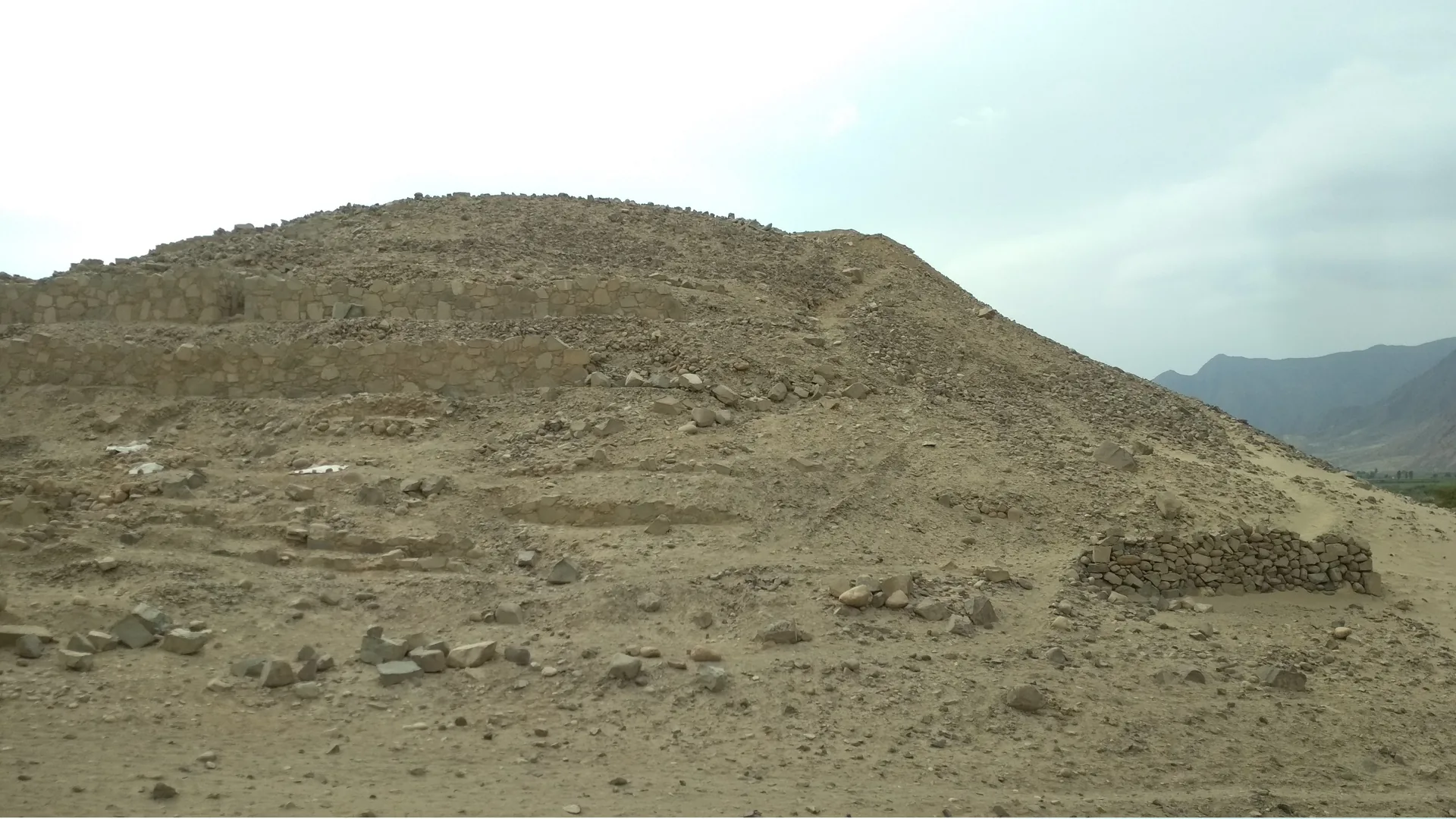
The largest structure at Caral — a platform pyramid some 150 metres long and nearly 30 high, with a great sunken circular plaza set before its stairway. It was the ceremonial heart of the city and remains its most commanding sight.
- Plazas
The sunken circular plazas
Caral's signature form: round, sunken ceremonial courts dug before the main pyramids, where the city gathered. Their clean geometry, five thousand years old, is one of the most distinctive things in Andean archaeology.
- El Anfiteatro
The amphitheatre temple
In the lower half of the city, the Temple of the Amphitheatre wraps a large sunken plaza — and it was here that the famous bone flutes were found, hinting at the music and ritual that filled the site.
- Six pyramids
The upper-city complexes
The upper half holds six monumental complexes, each built around its own pyramid — the Great, Central, Quarry, Lesser, Gallery and Huanca pyramids — surrounded by the residences of Caral's elite.
- Music & knots
Flutes and the quipu
The site's finds tell the story: bone flutes and cornetts that once sounded across the plazas, and a knotted-string quipu that pushes back the origins of Andean record-keeping by millennia — displayed and explained on site.
- The valley
Desert & the Supe River
Caral sits on a terrace above the green ribbon of the Supe River, hemmed by bare desert hills — a stark, beautiful setting that shows exactly how a farming-and-fishing society fed a city here five thousand years ago.
The day trip from Lima
The day trip from Lima
Caral is remote, so nearly everyone visits on a full-day guided trip from Lima — here's how it works.
A long but rewarding day
Caral lies about 182 km north of Lima, about four hours' drive each way by the site's own estimate, so tours run as full days — typically leaving Lima early and returning in the evening. It's a big day out, but the reward is one of the most significant, least-crowded ancient sites you can visit.
Guided for a reason
Caral rewards context. To the untrained eye the pyramids can read as desert hills; a good guide brings the city, its age and its story to life — and the site itself requires every visitor to walk the circuit with a local interpreter authorised by the Zona Arqueológica Caral, in groups of up to ten.
What tours include
Day trips generally bundle round-trip transport from Lima, the site entrance and a guide. The tour linked here adds snacks; lunch is a stop where you pay for your own food. Some pair Caral with the nearby coastal site of Áspero or Bandurria. Read the fine print on your specific option before you book, since bundles vary.
On site
You'll walk on desert paths between the pyramids, mostly in open sun, so bring a hat, sunglasses, sunscreen and water, and wear sturdy shoes. The Visitor Reception Centre has toilets, a restaurant, a shop and tourist information, and there's an exhibit on Caral's science and daily life. Bring cash: mobile coverage is poor and digital wallets won't work. Keep to the marked routes to protect the fragile earthen structures.
Caral & the Peruvian coast, in pictures
Caral & the Peruvian coast, in pictures
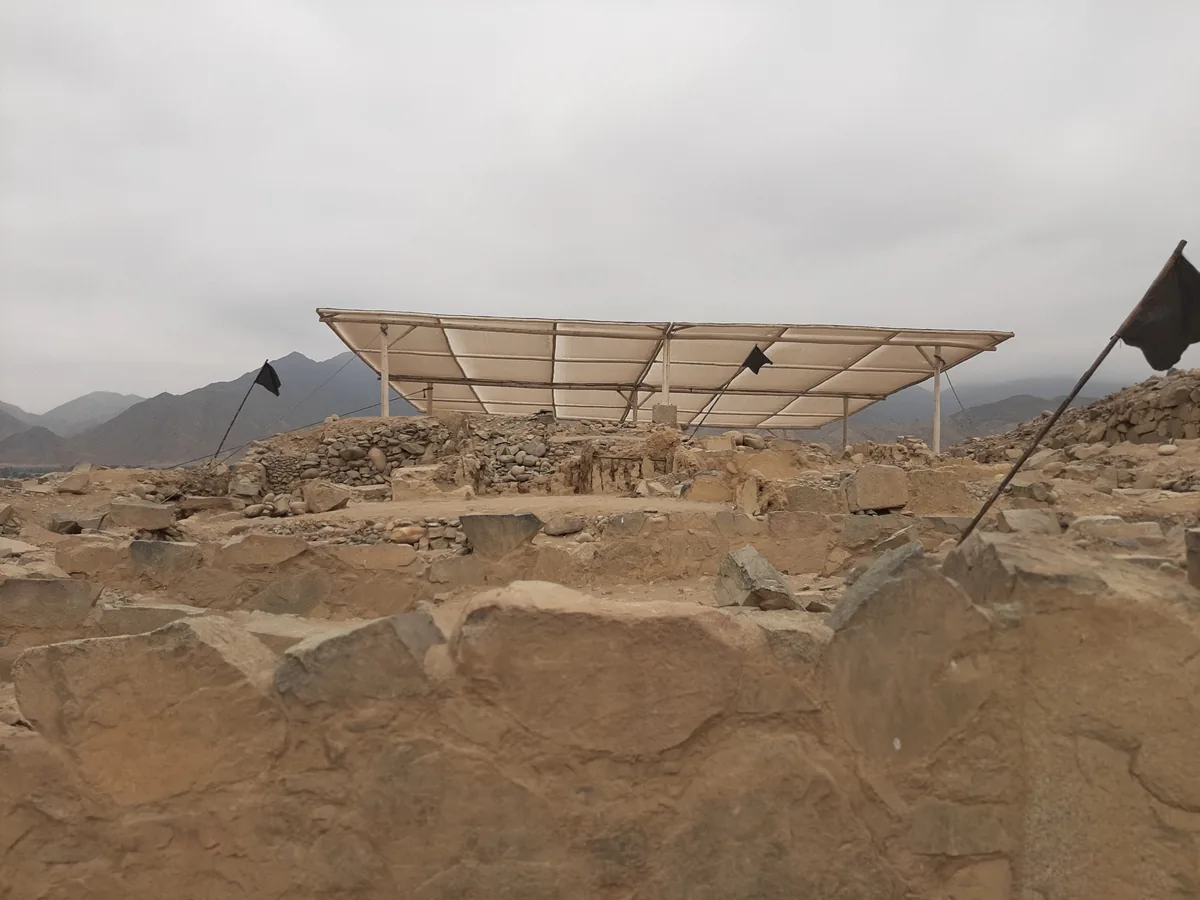
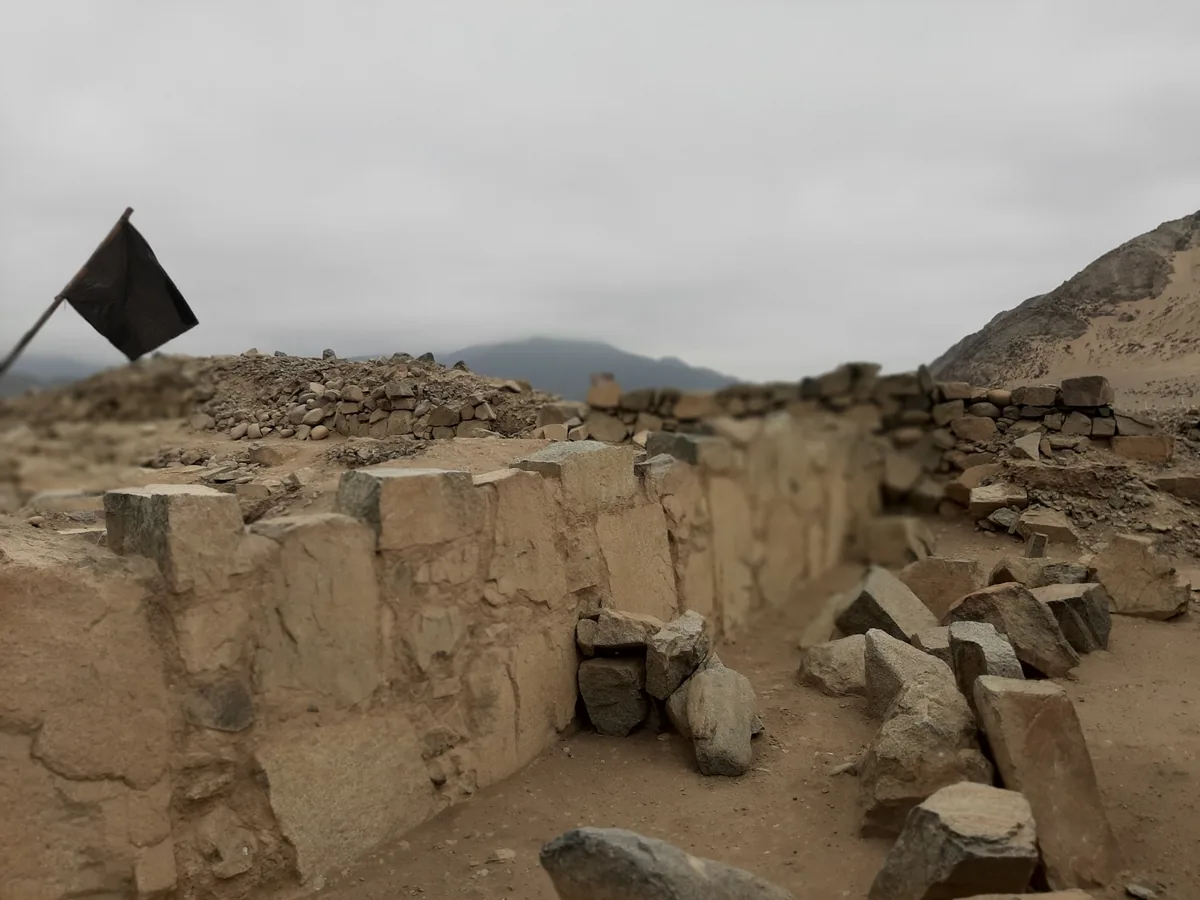
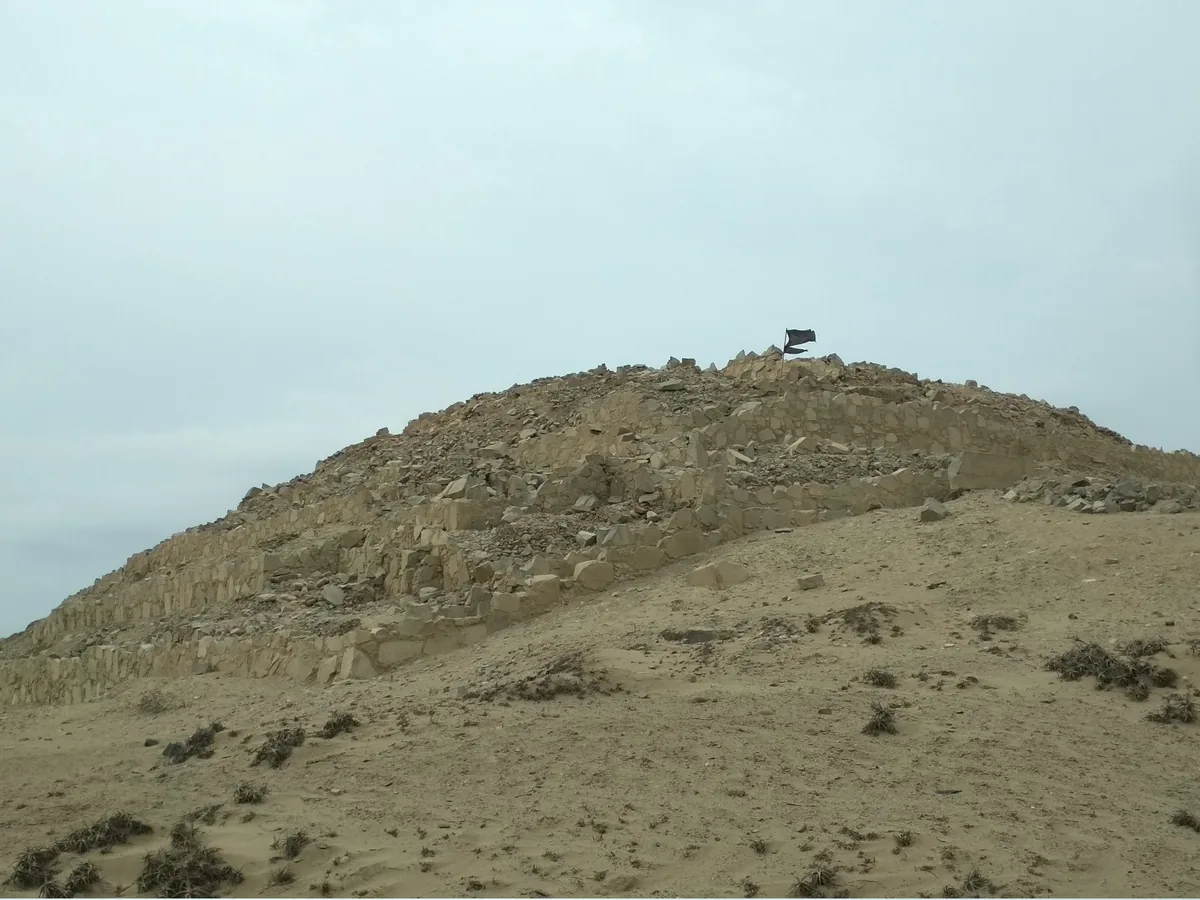
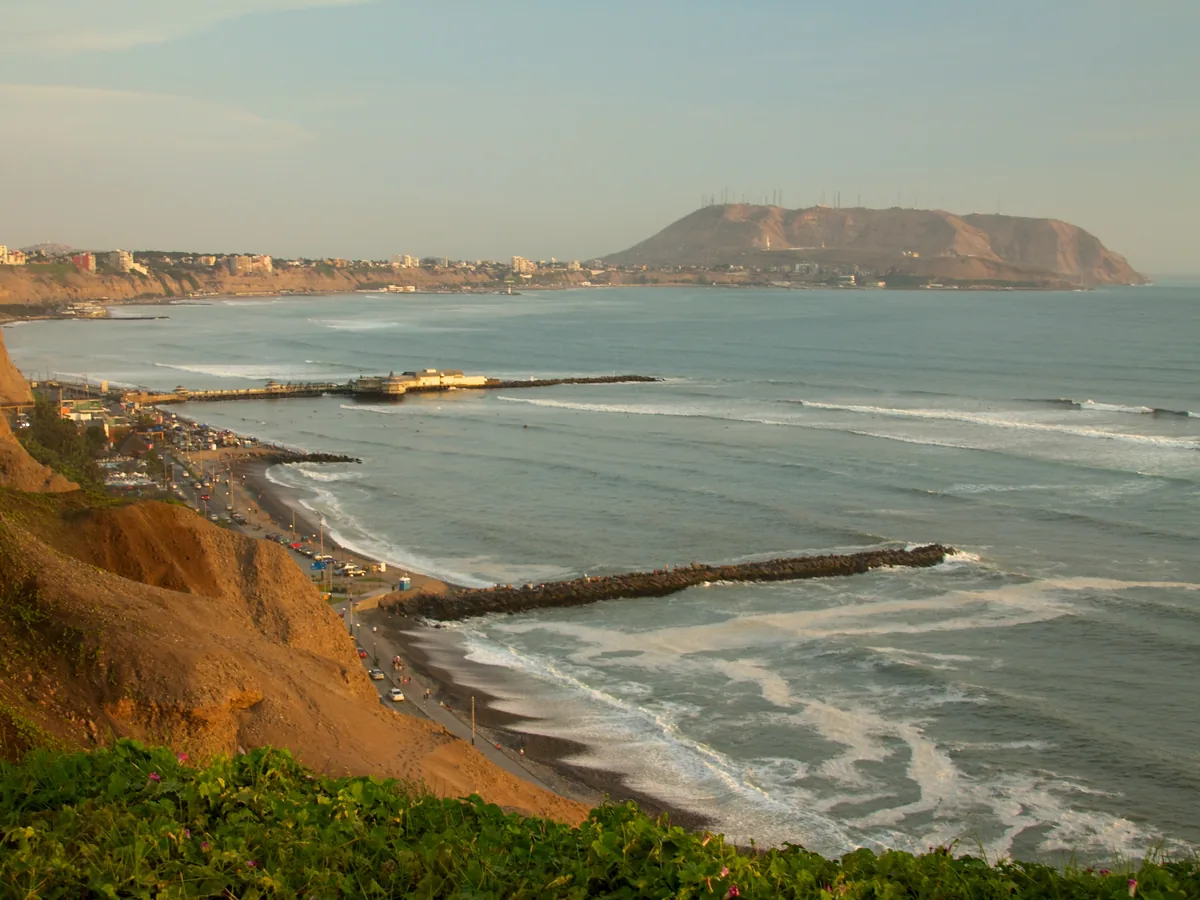
The pyramids, plazas and desert valley of Caral, and the Lima coast you'll set out from.
Tour options & what's included
Tour options & what's included
| Option | What it includes | Good to know |
|---|---|---|
| Group day trip | Round-trip transport, entrance, guide, often lunch | The standard, best-value way to visit |
| Small-group / premium | Fewer travellers, more comfort, full guiding | A more relaxed take on the long day |
| Private tour | Your own vehicle, guide and pace | Flexible; the priciest option |
| Caral + coast | Options that add Áspero or Bandurria | More of the Norte Chico civilisation in one day |
Ways to visit Caral
Find a Caral day trip for your dates
Every Caral option below runs through GetYourGuide's live system, so seats and pricing update in real time and convert to your currency at checkout.
Planning your visit
Planning your visit
Set aside a full day
This is an all-day trip: around three and a half to four hours' drive from Lima each way plus about two hours on site. Expect an early pickup and a late-evening return, so leave the rest of that day open.
Go with a guide
Caral is spectacular once you understand what you're seeing, and easy to under-appreciate without context. A guided tour is well worth it here — the interpretation is a big part of the value, turning weathered mounds into the story of the Americas' first city.
Dress for the desert
The site is open and sunny with little shade. Bring a hat, sunglasses, sunscreen and plenty of water, wear sturdy closed shoes for uneven desert ground, and add a light layer for the early start and air-conditioned transport.
Consider pairing it with the coast
Some tours combine Caral with the coastal sites of Áspero or Bandurria, part of the same Norte Chico civilisation. If you're interested in the origins of Andean society, it's an efficient way to see more of the story in a single day.
Booking flexibility
Booking doesn't mean committing on the spot. Most Caral departures can still be cancelled at no cost up to 24 hours before the start, and several give you the option to reserve a seat first, settling payment only once your Lima schedule firms up.
Planning a Caral day from Lima
Planning a Caral day from Lima
Caral day trip from Lima: tours, times, rules
How the Caral day trip from Lima works: the drive, the two-hour guided circuit, opening hours and site rules, checked against Zona Caral's own pages.
Read more → THE DISCOVERYHow Caral Was Proven the Oldest City in the Americas
Woven bags of stone, a hunch about missing pottery, and a 2001 lab result — the detective story behind dating Caral's pyramids to roughly 2600 BC.
Read more → THE ARCHITECTUREInside Caral's Six Pyramids and How They Were Built
No metal tools, no wheel and no draft animals — how a Late Archaic society still managed to raise six monumental earthen pyramids in the Peruvian desert.
Read more → THE PEACE THESISCaral and the Case for a City That Never Went to War
No walls, no weapons and no wounded skeletons — the evidence, and the important caveats, behind archaeology's boldest claim about the Americas' first city.
Read more → THE ECONOMYCotton for Fish — The Trade Network That Built Caral
Caral never sat by the ocean, yet its people ate seafood regularly — the inland cotton economy that quietly powered the Americas' first city, valley to coast.
Read more → THE WIDER WORLDCaral in Context: Peru's Norte Chico Civilisation Explained
Caral wasn't alone — it was simply the largest of roughly thirty ancient centres spread across four Peruvian valleys. Here's how they all fit together.
Read more →GEO/FAQ
Caral day-trip questions
What is Caral?
Caral — the Sacred City of Caral-Supe — is an archaeological site north of Lima and the oldest known city in the Americas, around 5,000 years old. Its civilisation (the Norte Chico or Caral culture) flourished about 2600 BC, at the same time as ancient Egypt. Its six earthen pyramids, sunken circular plazas and amphitheatre temple earned it UNESCO World Heritage status in 2009.
How do I get there from Lima?
Caral is about 182 km north of Lima in the Supe Valley — roughly three and a half to four hours' drive each way — with no easy public transport, so almost everyone visits on a full-day guided tour from Lima. Tours typically leave early in the morning and return in the evening.
Is it worth the long day trip?
If you're interested in ancient history it absolutely is: Caral is the birthplace of civilisation in the Americas, genuinely uncrowded, and moving once you grasp its age. Much of what remains is weathered earthen construction that's hard to read on its own, so a good guide is what makes the visit land — the reason nearly everyone goes guided.
What will I see there?
The highlights are the Great Pyramid (Pirámide Mayor) with its sunken circular plaza, the other five monumental pyramid complexes of the upper city, and the Temple of the Amphitheatre where the famous bone flutes were found. There's also an exhibit on Caral's science and daily life, and the desert setting above the Supe River is striking in itself.
What should I bring and wear?
Caral is an open desert site with little shade, so bring a hat, sunglasses, sunscreen and water, and wear sturdy closed shoes for uneven ground. A light layer helps for the early start. Stick to marked paths to protect the fragile 5,000-year-old earthen structures.
Can I combine Caral with other sites?
Yes — some day trips pair Caral with the coastal sites of Áspero or Bandurria, which belong to the same Norte Chico civilisation, giving a fuller picture of the Americas' earliest society in one day. The booking widget spells out exactly what each option includes, at the live price. The listings also offer free cancellation up to 24 hours before.